The national housing picture in 2026 tells a familiar story: elevated mortgage rates, cautious buyers, and inventory that still hasn’t fully recovered from the pandemic squeeze.
But beneath the surface, specific metros are defying the broader slowdown with fierce competition, rapid appreciation, and homes flying off the market in days rather than weeks.
This guide breaks down the hottest real estate markets of 2026, from Northeast powerhouses to emerging Sun Belt opportunities, plus hyperlocal zip code standouts that savvy buyers and investors should have on their radar.
Quick Overview: What Makes a Market “Hot” in 2026?
While the broader housing market has cooled from the frenzied pace of 2021–2022, specific metros remain intensely competitive heading into 2026.
With 30-year fixed mortgage rates hovering around 6.6–6.9% and purchase applications showing modest improvement, the action has concentrated in markets where supply simply cannot keep pace with demand.
Defining a “hot” market in 2026 comes down to measurable factors:
- Recent and forecasted home value growth exceeding the national average
- High share of homes selling at or above list price (indicating bidding wars)
- Fewer price cuts compared to balanced markets
- Low days on market (often under two weeks in the most competitive areas)
- Strong employment and job growth relative to building permits
The data reveals a clear geographic pattern: Northeast metros and select high-cost West Coast tech hubs dominate the rankings, while some interior markets stand out for their combination of solid fundamentals and improving affordability.
Sun Belt cities, which led growth in the early 2020s, have largely stabilized as migration patterns shifted post-pandemic.
This article covers the top 10 hottest markets where sellers hold the upper hand, then spotlights additional “opportunity” metros where buyers can find better balance between price, selection, and growth potential.
Finally, we’ll drill down to zip code–level standouts where micro-trends diverge sharply from metro averages.
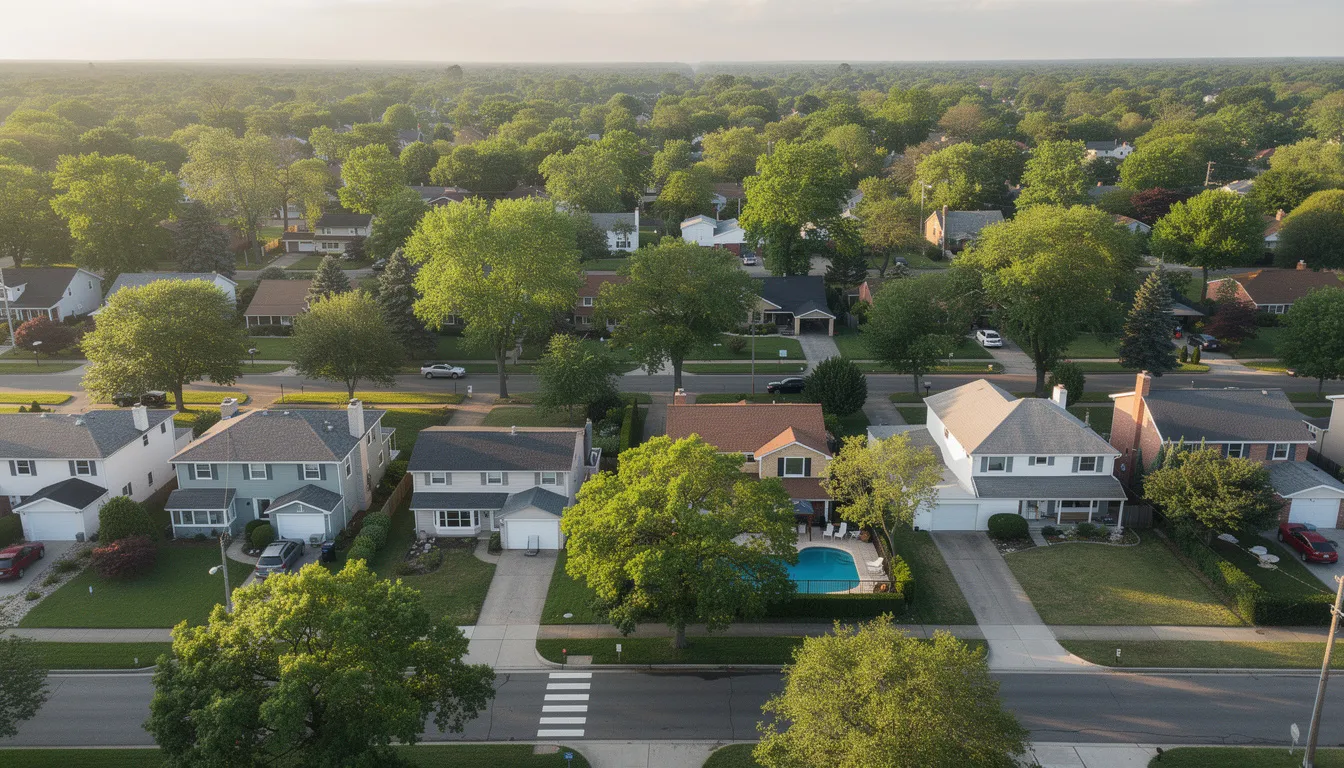
The Top 10 Hottest Real Estate Markets for 2026
This ranking draws on 2024–2025 sales data, 2026 forecasts, and comparative analysis across the 50 largest U.S. metro areas.
The methodology blends housing demand signals (competition intensity, home price growth) with supply conditions (housing inventory tightness, days to pending) to create a composite “heat” score.
What connects these top 10?
Most still have fewer homes for sale than in 2018–2019, which translates to strong seller leverage and faster equity gains for successful buyers who can navigate the competition.
Each metro section below covers current home value trends, supply conditions, local economic drivers, and what to expect through 2026:
The Top 10: Hartford, Buffalo, New York City, Providence, San Jose, Philadelphia, Boston, Los Angeles, Richmond, and Milwaukee.

Hartford, Connecticut
Hartford claims the #1 spot among the hottest housing markets of 2026, driven by an unusual combination of strong price growth, intense competition, and remarkably low inventory.
The numbers tell the story: 2025 home values climbed roughly 4.3% year over year, with forecasters projecting another 3.9% growth through late 2026.
That pace significantly outstrips the national average and positions Hartford as one of the country’s fastest-appreciating markets.
Competition here is fierce.
Approximately two-thirds of home sales (around 66%) close above list price, while the share of listings with price cuts remains in the mid-teens percentage—well below what you’d see in a balanced market.
Homes selling quickly is the norm, not the exception.
Tight housing stock keeps fueling this dynamic for the buying home process.
The number of homes for sale lags pre-2019 levels substantially, creating frequent multiple-offer scenarios even for modest properties.
Buyers who hesitate often lose out.
What’s driving this demand?
Hartford’s stable employment base in insurance, healthcare, and financial services provides economic stability, while spillover from pricier Boston and New York markets brings buyers seeking relative affordability without sacrificing Northeast location advantages.
Buffalo, New York
Buffalo earns the #2 ranking for 2026 after leading national “heat” indices in both 2024 and 2025. This isn’t a one-year fluke—it’s sustained momentum.
Home values here have logged several consecutive years of above-average appreciation, yet prices remain significantly lower than coastal Northeast cities.
With a Zillow Home Value Index around $277,499 and forecasted 2.5% growth, Buffalo offers buyers an entry point that many markets simply can’t match.
The competition score on major housing indices remains very high, reflecting frequent bidding wars and a large share of homes selling at or above list price.
Constrained inventory and limited new construction keep months of supply below national levels, giving sellers the advantage in most transactions.
Local economic supports include healthcare and education employment, cross-border commerce with Canada, and ongoing revitalization in neighborhoods near downtown and the waterfront.
These factors combine to create sustained demand that shows no signs of easing.
New York City, New York
New York City ranks #3 in the 2026 hottest markets list—a dramatic climb from 41st place in 2025 rankings. The country’s largest city is back in competitive territory.
With a population around 8.5 million and a home value index of approximately $704,284, New York represents massive scale.
Forecasted home value growth sits around 1.5% for 2026, modest compared to Hartford or Buffalo but significant in dollar terms given the high price points.
Only a small share of listings (low-teens percentage) see price cuts, indicating that sellers retain leverage across most boroughs.
Strong employment in finance, media, and technology—combined with return-to-office mandates—has refocused demand on core neighborhoods and commuter-friendly suburbs.
The scale factor matters: even a 1.5% rise on a $700,000+ home translates to meaningful equity gains.
Buyers entering this market are betting on long-term appreciation in one of the world’s premier urban centers.
Providence, Rhode Island
Providence has emerged as a rising Northeastern standout, with a 2025 home value index near $503,409 and year-over-year growth around 2.5%.
Forecasters project home values to climb approximately 3% through 2026, driven by steady demand and limited buildable land in core areas.
This growth rate places Providence among the stronger performers in the region.
Inventory remains tight, with sellers seeing robust interest for well-priced homes close to downtown and key job corridors.
The city’s expanding education, healthcare, and creative sectors provide economic stability, while proximity to Boston draws buyers priced out of the Massachusetts market.
Providence also maintains an active rental market, underscoring its mixed-owner and renter profile that appeals to both occupants and investors.
San Jose, California
San Jose represents the premier West Coast entry on this list, embodying Silicon Valley’s high-price, high-demand pattern that persists despite broader California challenges.
The numbers are striking: a home value index above $1.56 million with steady but moderate growth of roughly 1.2% forecasted for 2026. In most markets, that growth rate would be unremarkable—here, it translates to nearly $19,000 in annual appreciation.
Persistent under-supply defines this market.
Very low months of inventory, quick sale timelines, and frequent multiple-offer situations characterize even modest single family homes.
Updated properties in good school districts often sell within days.
Demand ties directly to the tech sector—especially AI, semiconductor, and cloud computing companies expanding headcount.
High-income buyers deploy larger down payments, stock-based compensation, or all-cash offers, intensifying competition even as mortgage rates remain elevated.
Philadelphia, Pennsylvania
Philadelphia offers a compelling East Coast alternative where home values have advanced steadily while remaining more affordable than New York, Boston, or Washington, D.C.
The 2025–2026 trends show mid-single-digit annual price growth, relatively low days on market, and a constrained number of listings—especially in popular rowhouse neighborhoods like Fishtown, Graduate Hospital, and parts of South Philly.
The city’s strong education and healthcare employment base, combined with a growing life sciences and logistics footprint, supports long-term housing demand.
Limited resale inventory and rising rents push more households toward ownership, reinforcing competition for starter and mid-range single family homes.
While not as frenetic as Hartford or Buffalo, Philadelphia delivers a combination of stability, opportunity for equity gains, and urban amenities that appeals to both first-time buyers and investors.
Boston, Massachusetts
Boston lands in the middle of the top 10, featuring some of the highest home values in the country outside California alongside persistent demand from universities, hospitals, and tech firms.
Upward price trends continue despite significant affordability challenges. Constrained land and strict zoning contribute to chronic under-building, keeping supply well below demand.
Buyers face bidding wars in core neighborhoods and inner-ring suburbs, while outer communities offer slightly more negotiating room.
The metro’s robust rental market—driven by students and young professionals—supports investor interest in smaller multifamily units and condos.
This rental demand provides a floor under property values even when the sale market softens.
Boston functions as a “high-barrier, high-reward” market where long-term owners frequently realize significant equity appreciation, making the steep entry price worthwhile for those who can manage it.
Los Angeles, California
Los Angeles represents a large, diverse market where overall demand remains elevated, particularly in job-rich corridors and coastal submarkets across this sprawling Southern California metro.
Home values remain elevated and trending upward, though growth rates have moderated from pandemic peaks.
Limited new single family construction in desirable neighborhoods perpetuates tight inventory conditions.
Robust rental demand keeps pressure on both buyers and renters, leading to quick sales for appropriately priced properties.
Key local drivers include entertainment, technology, logistics, and a large creative economy that sustains long-term housing demand even as some residents relocate to lower-cost markets.
While out-migration has eased pressure at the very top of the market, mid-price homes in neighborhoods with good schools remain extremely competitive.
Buyers here need patience, strong financing, and realistic expectations about what their budget can achieve.
Richmond, Virginia
Richmond punches above its weight as a mid-sized metro, delivering consistent price appreciation alongside relatively balanced but gradually tightening inventory.
The market feels stable yet competitive.
Homes in popular neighborhoods frequently attract multiple offers within the first week on market, while properties that linger usually face pricing issues rather than demand shortfalls.
Local economic anchors include state government, legal services, finance, and a growing tech and logistics presence.
These employers provide the strong employment base that sustains housing demand across cycles.
Richmond offers more attainable price points than many Northeast and West Coast hotspots, drawing buyers from higher-cost regions seeking value without sacrificing quality of life.
With forecasted 2.1% growth, it’s positioned to outperform national averages through 2026.
Milwaukee, Wisconsin
Milwaukee enters the top 10 as a somewhat under-the-radar market that nonetheless exhibits “hot” conditions relative to the broader Midwest.
As of late 2025, home values have appreciated steadily, with constrained resale inventory keeping competition firm across many neighborhoods.
The number of homes for sale remains below historic norms, forcing buyers to make quick decisions when suitable properties appear.
The city’s diversified economy—spanning manufacturing, healthcare, and professional services—underpins consistent housing demand.
An active rental market provides alternatives for households delaying purchases while signaling continued investor interest in the area.
With a home value index around $369,303 and forecasted 2.1% growth, Milwaukee offers Midwest affordability with market dynamics more commonly associated with coastal cities.
Emerging Opportunity Markets for Buyers in 2026
Not every strong market is prohibitively competitive. Some metros offer improving affordability and growing inventory alongside solid local economies—creating genuine opportunities for buyers in 2026. For a deeper ranking, see our guide to metros where buyers are winning back leverage.
This section focuses on larger metro areas (generally above 250,000 population) where conditions favor buyers seeking balance between price, selection, and growth potential. These markets typically show:
- Modestly increasing for-sale housing inventory
- Prices more aligned with local incomes
- Responsiveness to easing mortgage rates
- Solid job growth without overheating
Featured metros: Charleston (SC), Charlotte (NC-SC), Columbus (OH), Indianapolis (IN), Jacksonville (FL), Minneapolis–St. Paul (MN-WI), Raleigh (NC), Richmond (VA), Salt Lake City (UT), and Spokane (WA).
Charleston, South Carolina
Charleston functions as a fast-growing coastal market where inventory has begun to build slightly at price points local residents can afford.
Improving affordability and strong in-migration from the Northeast and Midwest continue driving demand heading into 2026.
The balance of rising listings and steady buyer interest creates opportunities for those who act early in the year before peak season competition intensifies.
Tourism, port activity, and military installations serve as key economic engines supporting long-run housing demand.
Buyers should focus on neighborhoods slightly inland or in expanding suburbs where new construction offers more choices and builders sometimes provide incentives.
Charlotte, North Carolina–South Carolina
Charlotte has established itself as a high-growth Sun Belt metro attracting millennials and Gen Z professionals, with robust job creation in finance, technology, and advanced manufacturing.
More listings are coming to market in 2026 compared with the tightest pandemic years, especially in suburban and exurban submarkets.
Affordability remains better than in coastal megacities, making Charlotte a target for remote workers and corporate relocations alike.
Population growth and high-skilled employment keep long-term price appreciation prospects strong.
Buyers should watch new-home communities where builders offer rate buydowns or closing cost incentives to move inventory.
Columbus, Ohio
Columbus stands out as an affordable Midwest market with steady population growth, anchored by state government, Ohio State University, and major corporate employers.
Incomes have risen in step with home prices, maintaining relatively favorable price-to-income ratios compared with coastal alternatives.
The 2026 outlook brings better-aligned inventory, with more options in attainable price ranges for first-time and move-up buyers.
Large-scale tech and manufacturing investments—including semiconductor and logistics projects—will support future housing demand.
Buyers should consider neighborhoods with planned infrastructure or transit improvements for long-term value upside.
Indianapolis, Indiana
Indianapolis ranks among the most affordable large metros in the country, offering a relatively steady, low-volatility housing market that appeals to budget-conscious buyers.
Price levels remain accessible for median-income households even after several years of appreciation.
Inventory is neither overly tight nor oversupplied, giving buyers more room to negotiate compared with the hottest coastal markets.
Broad employment across logistics, healthcare, and life sciences helps stabilize local demand through economic cycles. Indianapolis suits buyers seeking predictability and lower downside risk rather than speculative price spikes.
Jacksonville, Florida
Jacksonville represents a Florida market where in-migration, improving inventory, and gradually improving affordability intersect favorably in 2026.
After a rapid run-up from 2021–2023, home price growth has moderated, giving buyers more breathing room than they’ve had in years.
New construction on the metro’s outskirts has expanded choices for those focused on budget and space.
Key drivers include defense, healthcare, logistics, and a growing tech presence, plus the draw of coastal lifestyle. For a full breakdown of Florida mortgage rates, FHFC down payment assistance, and first-time buyer programs, see our Florida mortgage guide for 2026.
Buyers should compare existing-home and new-build options carefully, as builder incentives may offset higher list prices on new homes.
Minneapolis–St. Paul, Minnesota–Wisconsin
The Twin Cities function as a rate-sensitive market that responds quickly when mortgage rates dip, boosting buyer activity noticeably.
Demand in 2026 is expected to strengthen as slightly lower rates unlock previously sidelined buyers.
The region’s diverse economy and strong quality-of-life metrics sustain long-term housing demand across cycles.
Inventory is improving but remains tight in well-rated school districts, where competition stays brisk.
Seasonality matters here: buyers may find more negotiating room during Minnesota’s long winters than in the compressed summer selling season.
Raleigh, North Carolina
Raleigh has evolved into a fast-growing tech and research hub where incomes are rising quickly and new housing supply is gradually catching up.
The 2026 landscape shows more listings in price tiers that local buyers can realistically finance, particularly in suburban Wake County communities.
The Research Triangle’s continued job growth in technology, biotech, and higher education drives long-term demand.
Competition remains solid but is shifting from extreme bidding wars toward more measured negotiation in many neighborhoods.
Buyers should focus on commute patterns and future job centers to identify areas with upside potential.
Richmond, Virginia (as an Opportunity Market)
Richmond appears both in the “hottest” list and among opportunity markets because it combines strong fundamentals with relatively attainable prices—a rare balance in 2026.
Current conditions allow both buyers and sellers to succeed. Sellers benefit from ongoing demand, while buyers benefit from more balanced inventory than coastal megacities offer.
Stable year-over-year price growth and moderate days on market make Richmond a strategic choice for long-term owners.
Neighborhoods experiencing revitalization—particularly areas like Scott’s Addition and parts of the East End—offer potential for above-average appreciation over the next decade.
A 5–10 year horizon positions buyers well to capture Richmond’s steady trajectory.
Salt Lake City, Utah
Salt Lake City operates as a young, fast-growing metro highly influenced by shifts in mortgage rates.
As rates edge below their 2023–2024 peaks, more first-time and move-up buyers re-enter the market with renewed purchasing power.
New construction in surrounding communities like South Jordan and Herriman is improving inventory choices while demographic momentum remains strong.
The area’s expanding tech, outdoor recreation, and financial services sectors encourage both in-state and out-of-state migration.
Buyers should pay attention to commute times and transit plans, as growth corridors can become congested quickly.
Spokane, Washington
Spokane has emerged as a rising Western option benefiting from spillover demand from higher-cost metros like Seattle and Portland.
Both affordability and inventory trends are moving in a more favorable direction for buyers heading into 2026.
Home prices remain well below coastal Pacific Northwest cities, but demand is increasing as remote and hybrid workers seek value.
Improving listing activity and more balanced negotiations between buyers and sellers characterize the current market—a notable shift from peak pandemic years.
Buyers should evaluate neighborhoods with planned infrastructure upgrades, as those typically support stronger long-term appreciation.
Zip Code–Level Standouts: Micro “Hot Spots” Inside Bigger Markets
Beneath metro-level trends, specific zip codes can dramatically outpace—or underperform—broader averages in price growth, rent growth, and transaction activity.
This section highlights 2025–2026 data points from Illinois and Chicago-area zip codes showing significant changes in median home prices and rents.
These micro-markets illustrate why drilling down beyond city averages matters for buyers and investors.
Some figures, like unusually high turnover rates, may signal intense investor activity, data anomalies, or small sample sizes. Context matters when interpreting these numbers.
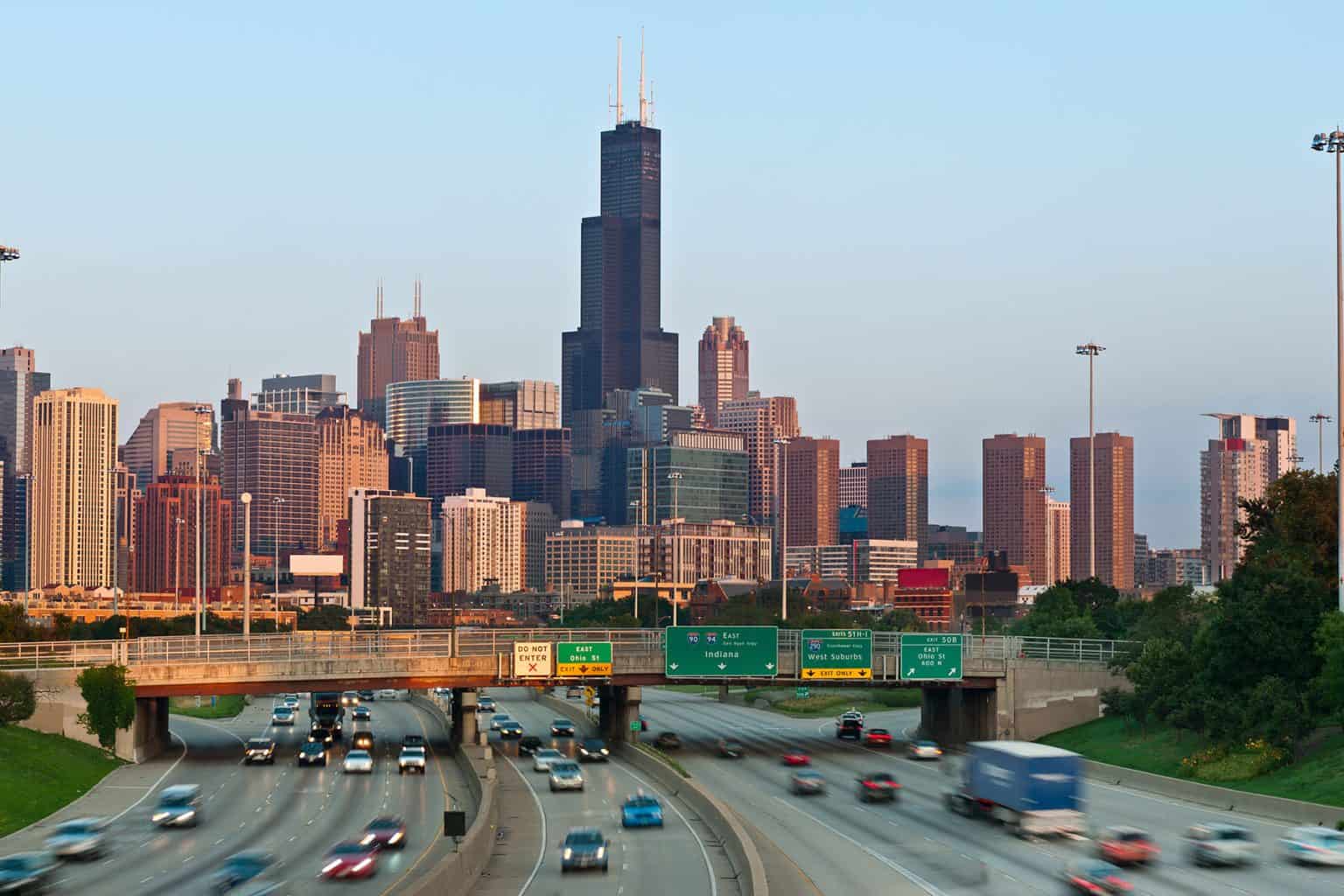
60153 – Maywood, Illinois
Maywood, an inner-ring suburb west of Chicago, has seen notable appreciation and rent growth over the most recent 52-week period.
The data shows a median home price around $308,500 with roughly 29% year-over-year growth—a striking figure for a market often overlooked by buyers focused on trendier suburbs.
Average rents have climbed nearly 33%, indicating strong rental demand alongside ownership interest.
Transaction volume shows 47 homes sold against 74 active listings during the measurement period, reflecting ongoing activity in a relatively compact market.
A 2% turnover rate suggests a modest share of housing stock changing hands even as prices climb rapidly.
Buyers should weigh these strong recent gains against future affordability constraints and realistic expectations for continued upside.
60304 – Oak Park, Illinois
Oak Park’s 60304 zip code represents a higher-priced suburb with a median home price near $559,000 and mid-single-digit annual growth around 5%.
Average rents in the area have jumped more than 15%, pointing to solid investment demand and limited rental supply.
The combination suggests both owner-occupant and investor interest competing for limited stock.
During the 52-week period, 46 homes sold alongside approximately 70 active listings, indicating a fast moving market where desirable properties don’t linger.
The reported high turnover percentage reflects strong transaction churn relative to total housing stock.
Proximity to Chicago, excellent transit access, and historic architecture support sustained demand in this established community.
60480 – Willow Springs, Illinois
Willow Springs presents an interesting divergence: a smaller southwest suburban market where median home prices around $378,000 have actually slipped roughly 4% over the last year.
Meanwhile, average rents have risen by more than 25%, indicating that rental demand is outpacing owner-occupied price trends.
This gap may create opportunities for investors seeking income-focused properties with potential for future appreciation once sale prices stabilize.
With 21 homes sold and about two dozen active listings during the measured year, this remains a relatively small but active market.
Buyers and investors should monitor whether price softness proves temporary or signals a longer adjustment period.
60615 – South Side Chicago
Chicago’s 60615 zip code covers parts of the South Side near the lakefront and major institutions like the University of Chicago, showing sharp recent appreciation.
The median home price sits around $420,700, up roughly 29% year over year—one of the strongest performances in the Chicago metro. Average rent increased just over 4% during the same period, suggesting that owner-occupant demand is driving prices rather than investment speculation.
Transaction volume shows 119 homes sold with around 186 active listings, indicating vigorous turnover.
Strong price gains alongside moderate rent growth point to revitalization in key pockets, particularly near Hyde Park and surrounding neighborhoods.
Long-term catalysts include university expansion, cultural investments, and infrastructure projects that could sustain demand for years. Illinois buyers exploring the Chicago market should also review our 2026 Illinois mortgage guide for IHDA programs and neighborhood analysis.
60525 – La Grange, Illinois
La Grange functions as a desirable western suburb with a median home price around $562,800 and annual growth of roughly 7–8%.
Average rents have risen by nearly 5%, signaling continued pressure on both renter and owner markets.
The area saw approximately 111 homes sold and around 150 active listings in the latest 52-week window, underscoring strong buyer interest.
Elevated turnover percentages reflect a brisk pace of listings relative to housing stock—common in sought-after commuter suburbs with excellent schools and walkable downtown amenities.
Buyers should factor in school quality, commuter rail access via Metra, and the established community feel when assessing long-term value.
How Buyers Can Compete in the Hottest Markets
In many of the year’s hottest markets, buyers face limited inventory, bidding wars, and decision timelines measured in hours rather than days.
Success requires preparation and strategy.
Secure full preapproval before touring homes. Prequalification isn’t enough—sellers want to see that financing is solid. Start with the Same Day Mortgage app to get pre-approved quickly.
Understand your maximum budget based on current 6.6–6.9% rate ranges, and know exactly what monthly payment you can afford.
Assemble your local team early:
- An experienced buyer’s agent who knows the specific neighborhoods you’re targeting
- A responsive lender or mortgage loan officer who can turn around documents quickly
- A real estate attorney (required or recommended in some states)
Deploy strategic offer tactics:
- Flexible closing dates that accommodate seller needs
- Larger earnest money deposits demonstrating serious intent
- Appraisal gap coverage or strategic inspection contingencies that manage risk while strengthening your position
Prioritize must-have features versus nice-to-haves.
In fast-paced negotiations, decision fatigue leads to regret.
Know your non-negotiables before you start making offers, and consider broadening your search slightly beyond the most competitive neighborhoods.
More buyers are returning to the market as rates stabilize—preparation separates winners from those who keep losing bidding wars.
What Sellers Should Know in 2026’s Hot and Cooling Pockets
While some metros remain firmly in seller’s market territory, others are transitioning toward balance.
Strategy and pricing matter more than they did during the pandemic frenzy.
Work with local data, not national headlines. Partner with an agent who can analyze current list-to-sale price ratios, days on market, and the share of listings with price cuts in your specific neighborhood.
Conditions vary dramatically even within the same city.
Price based on recent comparable sales and current buyer activity. Overpricing in a shifting market leads to extended time on market, stigma, and eventual price reductions that often net less than pricing correctly from the start.
Invest in presentation:
- Professional photography that showcases your property’s best features
- Strong online marketing across major listing platforms
- Minor repairs, decluttering, and strategic staging that improve first impressions
Stay flexible on terms. Even in hot markets, buyers remain constrained by interest rates and strict lending standards.
Offering flexibility on closing dates or considering minor concessions can differentiate your listing and lead to faster, cleaner transactions.
The sellers who succeed in 2026 understand that “hot” doesn’t mean effortless—it means leveraging strong demand through smart positioning.
Key Takeaways: Navigating the Hottest Real Estate Markets of 2026
Inflation has eased from its peaks, and mortgage rates—while higher than pre-2020 norms—have stabilized enough to bring more buyers back into the market.
The result is concentrated competition in specific metros rather than nationwide frenzy.
The hottest markets for sellers share common traits: tight housing inventory, strong local economies, limited price cuts, and buyers willing to compete aggressively.
Hartford, Buffalo, New York City, Providence, San Jose, Philadelphia, Boston, Los Angeles, Richmond, and Milwaukee lead this list in 2026.
Opportunity markets for buyers blend improving affordability with solid growth prospects. Charleston, Charlotte, Columbus, Indianapolis, Jacksonville, Minneapolis–St. Paul, Raleigh, Salt Lake City, and Spokane offer more balanced conditions where buyers can find value without sacrificing long-term appreciation potential.
Zip code–level data reveals what metro averages hide. Markets like Maywood and Chicago’s 60615 show 29% year-over-year appreciation while nearby areas see modest gains or slight declines.
Successful buyers and investors look beyond city-level headlines to find these micro-opportunities.
Whether you’re buying in Hartford’s competitive corridors or hunting for value in Indianapolis, 2026 rewards preparation and hyperlocal research.
Pair national trends with neighborhood-specific data, align your strategy with current rate and inventory conditions, and plan for at least a multi-year horizon.
The money is in the details—and the details are in the data.