State Intelligence
Mortgage Lender Maryland
State Intelligence · MD
Mortgage Lender Maryland
Your guide to mortgage lending in the Maryland market. From Baltimore rowhomes to DC suburban communities, strategic financing starts with understanding the local landscape.
Choosing the right mortgage lender in Maryland can make or break your home buying experience.
With rising home prices across Baltimore, Columbia, the DC suburbs, and coastal areas like Annapolis and Ocean City, finding a lender who understands your local market has never been more important.
This guide quickly answers how to pick a top mortgage lender in Maryland, then dives deeper into specific loan options, state assistance programs, and the practical steps you need to take.
Whether you’re a first-time buyer looking at rowhomes in Canton, a move-up buyer eyeing Bethesda, or a homeowner ready to refinance, you’ll find actionable answers here.
Maryland borrowers can access local programs like the Maryland Mortgage Program, competitive rates, and personalized service—if they choose the right partner.
#1 Ranked & Top-Rated Mortgage Lenders in Maryland
Some Maryland-based lenders consistently rank in the top tier nationally by volume and customer satisfaction.
These rankings from 2023–2024 reflect not just loan volume but the overall borrower experience, from application through closing.
A “top-ranked” Maryland lender typically has:
- Hundreds or thousands of 5-star reviews on platforms like Google, Zillow, and Bankrate
- Fast closing times of 21–30 days, even on tight DC–Baltimore contracts where delays can cost you a home
- Strong relationships with local real estate agents who trust them to close on time
- Consistently competitive pricing that holds up against online national lenders
What separates a good lender from a great one comes down to measurable results.
Look for lenders with 10+ years serving Maryland, turnaround times clearly stated in days (not vague promises), and a track record of handling the specific property types in your target area.
Maryland’s Local Mortgage Advantage
Working with a Maryland-focused lender offers distinct advantages over a generic national online lender.
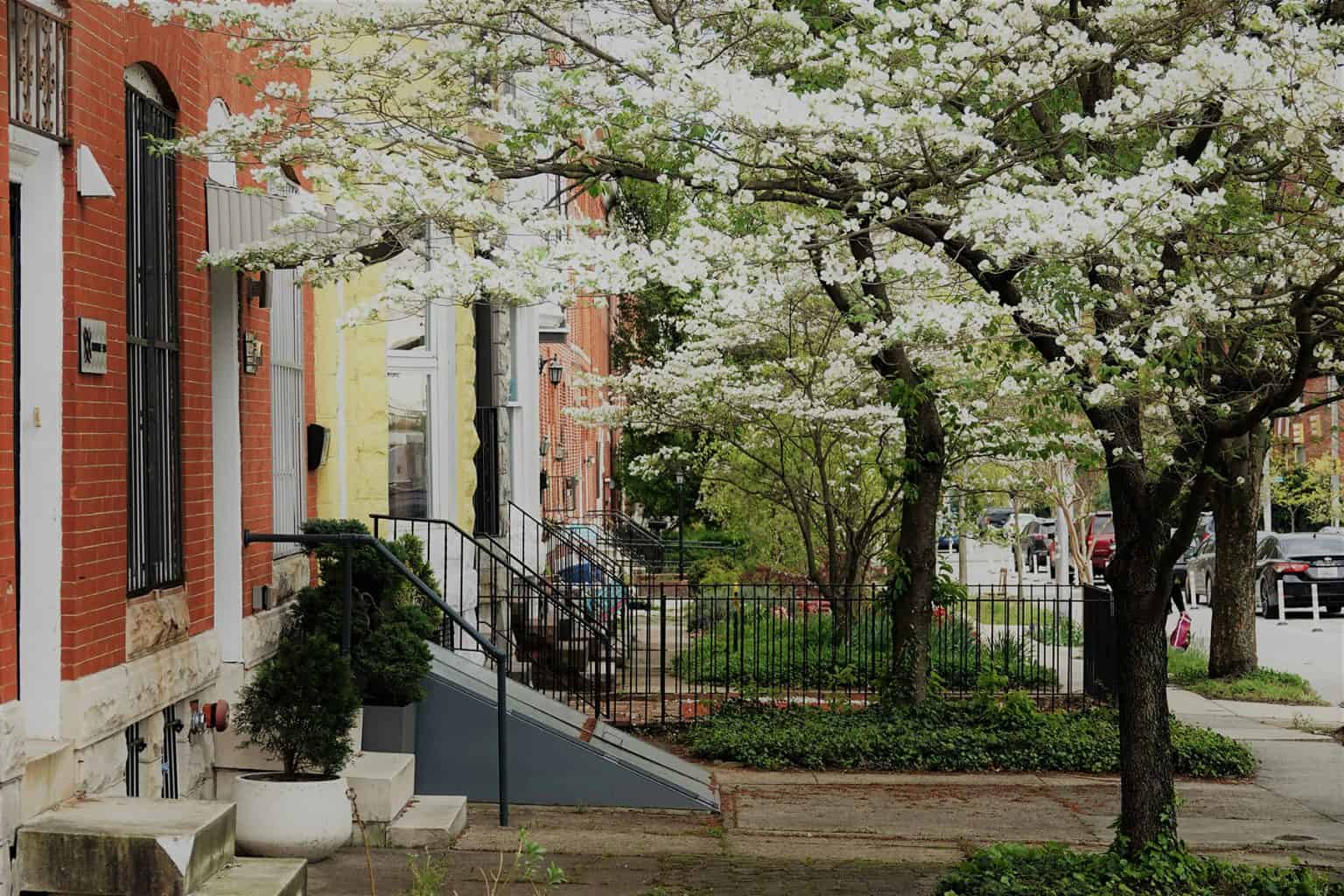
Local lenders maintain relationships with appraisers who know the difference between a Baltimore rowhome and a Bethesda colonial.
They understand the quirks of Maryland real estate that can trip up out-of-state underwriters.
Why local expertise matters:
- Baltimore City ground rent can confuse lenders unfamiliar with this Maryland-specific ownership structure
- Historic property considerations in neighborhoods like Federal Hill and Fells Point require specialized knowledge
- Condo association requirements in Montgomery and Prince George’s County often need extra documentation
- Rural properties in Western Maryland or the Eastern Shore may have well and septic considerations that affect financing
Many Maryland mortgage lenders maintain offices in key hubs—Baltimore, Columbia, Annapolis, Towson, Bethesda, and Silver Spring—but serve the whole state remotely through phone and online tools.
This hybrid approach gives you local expertise with modern convenience.
Loan Programs Offered by Maryland Mortgage Lenders
Most leading lenders in Maryland offer both standard national products and state-specific loan options designed to help more buyers qualify.
Common loan programs include:
- Conventional loans – Ideal for buyers with stronger credit profiles and at least 3-5% down
- FHA loans – Popular with first-time buyers needing lower down payments and more flexible credit requirements
- VA loans – Zero-down options for active-duty military and veterans
- USDA loans – 100% financing for eligible rural and semi-rural Maryland areas
- Jumbo loans – For home prices above conforming limits in high-cost areas
- 5/5 ARM and 7/1 ARM products – Adjustable-rate options with lower initial rates
- Fixed rate mortgages – Predictable payment options for long-term stability
Many Maryland lenders also participate in assistance programs including down-payment-helping products and portfolio loans for unique situations like self-employed borrowers, investors, or non-warrantable condos.
Maryland Mortgage Program (MMP) and State Assistance
The Maryland Mortgage Program is a state-backed initiative run through the Maryland Department of Housing and Community Development.
It’s designed to make home ownership more accessible for eligible Maryland homebuyers.
Key MMP benefits:
- Low down payment options (often as low as 3%)
- Competitive interest rates that sometimes beat conventional market rates
- Potential down payment or closing cost assistance grants
- Partner programs like 1st Time Advantage and Flex products
Many top-tier Maryland lenders are approved MMP lenders and may have earned “Gold Tier” or similar recognition for their volume and service quality.
Typical eligibility requirements:
- First-time buyer focus (though some programs allow repeat buyers)
- Income limits that vary by county
- Minimum credit standards (often around 640)
- Must use the home as a primary residence
Conventional, FHA, VA, and USDA Loans in Maryland
| Loan Type | Best For | Down Payment | Key Areas |
|---|---|---|---|
| Conventional | Stronger credit, suburbs | 3-20% | Columbia, Ellicott City, Rockville, Bowie |
| FHA | First-time buyers, flexible credit | 3.5% | Baltimore City, Prince George’s County |
| VA | Military/veterans | 0% | Fort Meade, Aberdeen, Joint Base Andrews |
| USDA | Rural buyers | 0% | Western Maryland, Eastern Shore, Southern counties |
Conventional loans suit buyers with credit scores above 680 who want to purchase in suburban communities.
The loan limits adjust annually, and Maryland’s high-cost counties often qualify for higher conforming limits.
FHA loans remain popular in Baltimore City and Prince George’s County where lower down payments improve access for first-time homebuyers.
These loans are more forgiving of past credit issues.
VA loans serve active-duty military and veterans stationed near Fort Meade, Aberdeen Proving Ground, Joint Base Andrews, and other installations.
Zero down payment and no mortgage insurance make these loans exceptionally valuable.
USDA loans work for eligible rural and semi-rural parts of Maryland.
This includes much of Western Maryland, parts of the Eastern Shore, and southern counties—areas where many buyers don’t realize they might qualify for 100% financing.
Jumbo, Adjustable-Rate, and Specialty Programs
High-cost areas like Bethesda, Chevy Chase, Potomac, and Annapolis frequently require jumbo financing.
When home values exceed conforming loan limits (which can surpass $1 million in some Maryland counties), buyers need specialized products.
Jumbo ARM options explained:
- 5/5 ARM jumbo – Fixed for the first 5 years, then adjusts every 5 years with caps on rate increases
- 7/1 ARM jumbo – Fixed for 7 years, then adjusts annually
These products offer lower initial rates than fixed rate jumbos, increasing purchasing power for buyers in the $800,000–$2,000,000+ range common in Potomac and Chevy Chase.
Specialty programs include:
- Medical professional mortgages for MD, DO, DDS, DMD, and other licensed professionals—often with flexible down payment requirements and debt-to-income calculations that exclude student loans
- Lower-down jumbo products requiring 10-15% instead of traditional 20%
- Bank statement loans for self-employed borrowers who can’t document income traditionally
Services for Home Purchase and Refinance in Maryland
Strong Maryland lenders support both purchase and refinance needs throughout interest rate cycles.
Whether rates are at historic lows or buyers face higher borrowing costs, experienced lenders help clients navigate their specific situations.
Many lenders provide same-day or 24-hour preapprovals to help buyers write competitive offers in fast-moving markets like Howard and Montgomery County.
In these areas, homes often receive multiple offers within days of listing.
Common refinance goals include:
- Rate-and-term refinancing to lower rates or shorten loan terms
- Cash-out refinancing for renovations on older properties (common in Baltimore and DC suburbs)
- Home equity access without full refinancing
- Debt consolidation to simplify monthly cash flow
Maryland homeowners typically refinance when rates drop significantly, when they need cash for major life events like college tuition, or when older homes require substantial renovations to maintain value.
Purchasing a Home in Maryland
Buyers in competitive neighborhoods like Canton, Federal Hill, Columbia, and Germantown need fast, fully underwritten preapprovals to compete.
A generic prequalification letter won’t cut it when you’re up against multiple offers.
The typical home loan process:
- Application – Complete online or with a loan officer, providing income and asset documentation
- Document collection – Submit tax returns, pay stubs, bank statements, and ID
- Underwriting – Lender verifies everything and conditions the file for approval
- Appraisal – Licensed appraiser confirms the home’s value supports the purchase price
- Closing – Sign documents, transfer funds, and receive keys
Realistic timelines run 21–30 days for purchase transactions, though experienced Maryland lenders can often close quickly when needed for tight contract deadlines.
Many lenders will review competing estimates to provide a second opinion on rates and closing costs.
Don’t hesitate to ask—comparison shopping is expected and can save thousands over your loan’s life.
Refinancing or Tapping Equity
Maryland homeowners often refinance to lower monthly payments, shorten their term from 30 to 15 years, or cash out equity for remodels in areas like Ellicott City or Annapolis where home values have appreciated significantly.
Some lenders offer home equity solutions that don’t require full first-mortgage refinancing.
This allows owners to keep favorable existing rates while accessing cash through a second lien—particularly valuable when you locked in a 3% rate years ago but need funds today.
What to expect from a Maryland refinance:
- Largely online process with e-signatures and remote closings where permitted
- Typical documentation includes recent pay stubs, tax returns, and current mortgage statement
- Timelines of 30–45 days depending on appraisal requirements
- Option to roll closing costs into the loan or pay upfront
Who Maryland Mortgage Lenders Serve
Leading Maryland lenders work with a wide range of borrowers: first-time buyers, move-up buyers, investors, and self-employed clients.
The key is finding a lender experienced with your specific situation.
Solutions get tailored for various income types, professions, and property goals across Maryland counties.
A lender comfortable with Baltimore investment properties may also specialize in jumbo loans for Montgomery County executives or VA loans for military families near Fort Meade.
First-Time and Repeat Homebuyers
First-time buyers often use low down payment programs like FHA, HomeReady-style products, or the Maryland Mortgage Program for homes in Baltimore, Laurel, Frederick, and Waldorf.
These programs help buyers qualify with as little as 3-3.5% down.
Typical first-time buyer scenarios in Maryland:
- Median home prices in Baltimore City around $200,000–$250,000
- Entry-level single-family homes in Frederick or Waldorf in the $350,000–$450,000 range
- Down payments of 3-5% being most common
- Credit scores in the 640–700 range working well for FHA or MMP
Repeat buyers often look for jumbo or conventional solutions when upsizing in Bethesda, Clarksville, Severna Park, or similar higher-priced markets where homes routinely exceed $700,000.
Many Maryland lenders provide educational support: homebuyer classes, budgeting guidance, and clear closing cost explanations.
If your lender doesn’t offer this, ask—or find one who does.
Self-Employed, Investors, and Specialized Borrowers
Self-employed borrowers—small business owners in Baltimore, Columbia tech consultants, DC-based freelancers—face unique challenges.
Traditional income documentation doesn’t always capture their earning capacity.
How Maryland lenders accommodate self-employed borrowers:
- Two years of tax returns with Schedule C or K-1 documentation
- Bank statement programs using 12-24 months of deposits to calculate income
- Flexible underwriting that considers business health, not just taxable income
Investors seeking rental properties in college towns like College Park or Towson, or waterfront rentals on the Eastern Shore, need lenders comfortable with investment property guidelines and potentially higher down payment requirements (typically 20-25%).
Specialized programs exist for medical professionals with high student debt but strong earning potential, retirees with substantial assets but lower current income, and other non-traditional borrowers.
The key is finding a lender who has closed loans for people in your situation before.

How to Choose the Best Mortgage Lender in Maryland
This is the practical checklist section promised at the beginning—your immediate steps for making a smart choice.
Compare more than just interest rates:
- Review APR (which includes fees) alongside the quoted rate
- Examine total closing costs line by line
- Evaluate communication style and responsiveness
- Confirm turn times for your specific loan type
- Check experience with Maryland-specific programs like MMP
Key Factors to Compare
When evaluating Maryland lenders, focus on these specific criteria:
- Current rate offers for your credit profile and loan type
- Total closing costs including origination fees, title insurance, and prepaid items
- Lock-period policies – How long is your rate guaranteed? What happens if closing is delayed?
- Rate renegotiation – Will the lender adjust if rates drop before closing?
- Online reviews from Maryland borrowers specifically
- Agent recommendations – Ask your real estate agent who they trust locally
- Maryland license verification – Confirm at the NMLS Consumer Access website
Responsiveness matters enormously. How quickly does the loan officer or team reply to calls, emails, and texts?
In competitive Maryland markets, you may need answers at 9 PM on a Saturday when offers are being written.
Lenders with in-house processing and underwriting typically deliver smoother, faster approvals compared with those who outsource everything.
This can mean the difference between a 21-day close and a 45-day close.
Questions to Ask a Maryland Lender Before You Apply
Before submitting an application, get answers to these questions:
- What Maryland-specific programs do you offer?
- Have you closed loans in my target neighborhood recently?
- What is your average purchase closing time?
- Do you participate in the Maryland Mortgage Program?
- Do you offer down payment assistance partnerships?
- What are your current rates and APRs for my loan type?
- Can you provide a written loan estimate before I formally apply?
- How do you handle appraisal or inspection issues common in my target area?
Ask for a full written loan estimate and a clear explanation of any points or credits.
A point is 1% of your loan amount—make sure you understand whether you’re paying points to buy down the rate or receiving lender credits toward closing costs.
Compare at least two to three written offers from different Maryland lenders before making a decision.
The few hours this takes can save you thousands over the life of your loan.
Maryland Mortgage Lenders and Service Areas
While many lenders have physical branches in Baltimore, Columbia, Annapolis, Towson, and the DC corridor, they typically serve the entire state via phone and online tools.
You don’t need to live near a branch to get excellent service.
Some Maryland-based lenders are also licensed in neighboring states—DC, Virginia, Pennsylvania, Delaware, and West Virginia.
This helps buyers moving across the region who want to work with one trusted lender throughout their search.
What remote service looks like:
- Online applications with secure document upload portals
- Video or phone consultations with loan officers
- E-signatures for most documents
- Virtual closings where permitted by Maryland law
- Same responsiveness you’d expect from an in-person relationship
Even if a lender doesn’t cover a borrower’s state, they often maintain referral relationships with trusted partners elsewhere.
Urban, Suburban, and Rural Maryland
Mortgage needs differ significantly across Maryland’s diverse geography:
Urban Baltimore City:
- Rowhomes with unique characteristics like ground rent
- Mixed-use properties requiring commercial experience
- Historic homes needing renovation financing
- Condo financing in Canton, Federal Hill, and Harbor East
Suburban Counties (Howard, Montgomery, Anne Arundel):
- Single-family homes often exceeding conforming loan limits
- HOA and condo association complexities
- New construction in master-planned communities
- Move-up buyers seeking jumbo financing
Rural Areas (Garrett, Washington, Caroline, Eastern Shore):
- Properties on acreage requiring different appraisal approaches
- Well and septic considerations affecting financing
- USDA eligibility for 100% financing
- Agricultural or equestrian property nuances
Experienced Maryland lenders understand zoning, property types, and appraisal norms in each environment.
The lender comfortable financing a Silver Spring condo should also understand the differences when you’re looking at a single-family home on five acres in Carroll County.
Frequently Asked Questions About Maryland Mortgage Lenders
How long does it take to close on a home in Maryland?
Most Maryland mortgage transactions close within 30 to 45 days from contract ratification. Timelines can vary based on the loan program, property type, and how quickly you provide documentation. Maryland uses attorneys for closings, so coordinating with your settlement attorney is an important part of the process.
What credit score do I need to buy a home in Maryland?
Minimum credit score requirements vary by loan type. FHA loans may accept scores as low as 580, conventional loans typically require 620 or higher, and jumbo loans for higher-priced properties often need 700 or above. For the best rates, aim for a credit score of 740 or higher.
What mortgage programs are available in Maryland?
Maryland borrowers can access conventional fixed-rate loans, adjustable-rate mortgages, FHA loans, VA loans for eligible veterans, USDA loans for qualifying rural areas, and jumbo loans. The Maryland Mortgage Program (MMP) also offers down payment assistance and competitive rates for first-time and repeat buyers who meet income and purchase price limits.
How much do I need for a down payment in Maryland?
Down payment requirements range from 0% to 20% or more depending on the loan program. VA and USDA loans offer zero down payment, FHA requires 3.5%, and conventional loans start at 3% to 5%. Putting 20% or more down eliminates private mortgage insurance. Maryland also offers down payment assistance programs for qualifying buyers.
What are closing costs like in Maryland?
Closing costs in Maryland typically range from 2% to 5% of the loan amount. These include lender fees, title search and insurance, settlement attorney fees, recording fees, and transfer taxes. Maryland has state and county transfer taxes that vary by jurisdiction, so costs can differ depending on where you purchase.
Should I use a mortgage broker or direct lender in Maryland?
Both have advantages. Mortgage brokers can shop multiple lenders to find competitive rates and programs suited to your situation. Direct lenders control the underwriting process in-house, which can mean faster decisions. The right choice depends on your financial profile, how much flexibility you need, and whether you prefer a one-stop experience or broader market access.
How do I get pre-approved for a mortgage in Maryland?
Pre-approval requires submitting a loan application with supporting documents including pay stubs, tax returns, bank statements, and government-issued ID. Your lender will review your credit, income, and assets to determine your borrowing capacity. Pre-approval gives you a clear budget and shows sellers in Maryland’s competitive market that you are a serious, qualified buyer.
Next Steps: Working with a Mortgage Lender in Maryland
Ready to move forward? Here’s your action plan:
- Check your credit – Review your credit reports from all three bureaus and address any errors before applying
- Define your budget – Calculate what you can comfortably afford, not just what you might qualify for
- Gather documents – Collect recent pay stubs, two years of tax returns, bank statements, and ID
- Contact a Maryland-licensed lender – Get a personalized quote based on your specific situation
Interest rates, loan limits, and program guidelines change frequently.
What was true six months ago may not apply to your 2026 purchase or refinance.
Rely on up-to-date advice from a licensed professional, not assumptions based on what a friend experienced.
Get a same-day or 24-hour preapproval before touring homes.
In competitive Maryland markets, this isn’t optional—it’s essential.
If your price range or rates change significantly during your search, revisit your preapproval to stay current.
Finding the right mortgage lender in Maryland doesn’t have to be overwhelming, Cindy can also definitely help.
With the right lender, the right preparation, and realistic expectations about the home loan process, Maryland home ownership is absolutely within reach.
Your next step is simple: start the conversation with a Maryland-licensed mortgage lender and see what mortgage options make sense for your dreams and your budget.
Explore More Markets
Cindy is licensed across five states. See mortgage intelligence for:
Have a Question for Cindy?
Whether you’re buying your first home, refinancing, or tapping into equity—Cindy is here to help you navigate every step with confidence.
Ready to Build Wealth in Baltimore?
Whether you’re buying your first home or expanding your portfolio, Cindy Koutsovitis brings 25+ years of strategic mortgage counsel to help you make the smartest move in Maryland’s market.